Paying for Playability: How to Read a £70 Green Fee in 2026

Photo: greenkeeper mowing fairway on UK golf course, via content.wkyc.com
£70 for a round of golf in the UK in 2026 is a decision point. It is more than a casual nine-hole twilight fee and less than a top-end heathland green fee. It is also the number where golfers start asking what they are actually paying for. That is a healthy question. The answer is not 'golf is expensive now'. The answer is a mixture of VAT, wages, machinery, water, drainage, insurance and the cost of keeping a living landscape playable.
The £70 split: where the money roughly goes
Start with tax. A £70 green fee that includes VAT contains £11.67 for HMRC. The club keeps £58.33 before it pays for anything. Out of that comes greenkeeping wages, machinery, fuel, irrigation, aeration, seed, sand, fertiliser, insurance, rates, utilities, pro shop staff, tee-sheet software, marketing and a hundred small repairs. A course is not a shop with shelves; it is a field that has to be cut, drained and repaired every week.
Greenkeeping is usually the biggest single cost, but it is not the only one. Staffing a pro shop, cleaning the clubhouse and maintaining a car park all take a slice. The point is not to feel sorry for the club. The point is to understand that a green fee is not pure profit. When a course is cheap, something is being paid for somewhere else: by members, by volunteers, by deferred maintenance, or by the next set of visitors.
Value is not the same as cheap
A £35 green fee with temporary greens, scruffy bunkers and tee boxes like a ploughed field is not value. It is a false economy. A £70 green fee with true greens, level tees, raked bunkers, a divot mix bottle on every par three and a tee sheet that does not stack fourballs every six minutes can be excellent value. The difference is not the number. The difference is what the number buys.
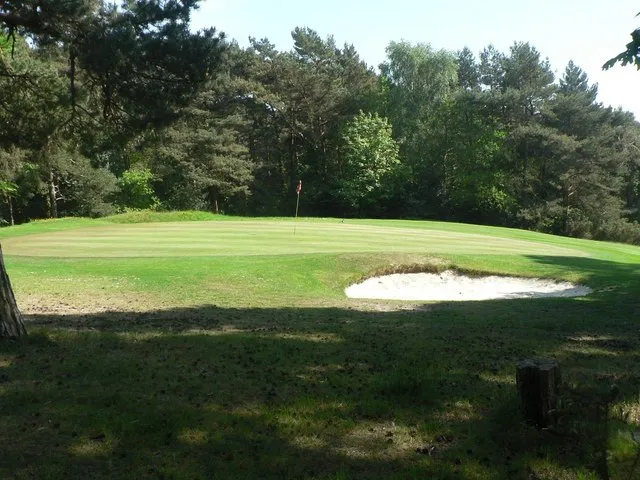
Look for the signs of investment in playability. Fresh bunker sand is expensive, but it tells you the club is maintaining hazards rather than letting them become puddles. Level tee boxes cost money and time. Irrigation covers and drainage works are not glamorous, but they keep the course open in a wet UK winter. Aeration holes on the greens are a good sign, not a bad one: they mean the greenkeeper is protecting the surface.
Questions to ask before you book
The best way to read a green fee is to ask a few boring questions before you hand over your card. A good club will answer them without flinching.
- Are you on full greens and tees today?
- When were the greens last aerated or top-dressed?
- How many full-time greenkeepers do you have?
- What is your winter policy on temporary greens and mats?
- How many tee times do you run per hour?
- What is included in the green fee: insurance, range balls, trolley hire?
- Do you have a course improvement plan for the next 12 months?
None of these are aggressive questions. They are the same questions you would ask before booking a hotel or a restaurant. If the answers are vague, the green fee is probably buying marketing rather than maintenance.
Reading the marketing
Club websites are good at adjectives. 'Championship', 'stunning', 'immaculate' and 'hidden gem' are doing a lot of work. The useful information is usually quieter: a scorecard with yardages and slope ratings, a course tour with real photos, a clear winter policy and a green fee page that tells you what is included. If a course mentions its drainage, its greenkeeping team and its aeration programme, that is a better sign than a wedding brochure on the homepage.
Check recent reviews for the words that matter: 'temporary greens', 'slow play', 'bunkers', 'tee boxes', 'drainage'. One bad review is noise. A pattern is a signal. A course that invests in playability will still have bad days, but it will not hide them.
The 2026 pricing reality
Dynamic pricing is now part of UK golf. The same tee time can cost £45 on a quiet Tuesday and £80 on a Saturday morning. That is not a scandal; it is revenue management. But the premium should buy something. A Saturday £70 tee time should buy a prepared course, a fair tee sheet and a clubhouse that is ready for you. If it buys a stacked tee sheet and a temporary green, spend your money elsewhere.
The £70 green fee is a contract. You are paying for the course, the staff and the upkeep, not for the club's social media calendar. Ask what the money is doing. Then decide whether the course is worth it. Value is not cheapness. Value is knowing what you paid for.