The Visitors' Door Is Unlocked: Using Open Comps to Audit Private UK Courses

Photo by Photo by Chloë Forbes-Kindlen on Unsplash on Unsplash
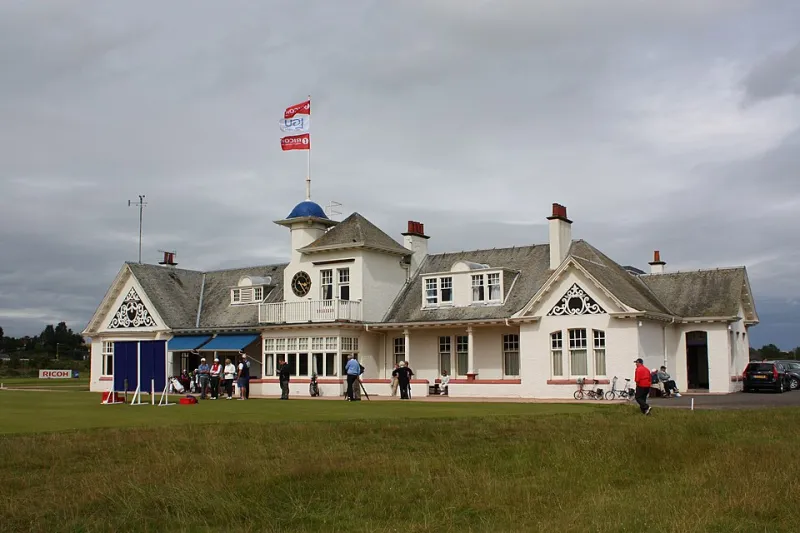
Private golf in the UK has a useful secret: it is not always as private as it looks. Plenty of excellent clubs open their doors for competitions, charity days, county events and reciprocal fixtures. You do not need a member to sign you in. You need a handicap, a bit of homework and the good sense not to treat the day like a stag do with spikes.
The catch is that open competitions vary wildly. Some are properly run medal or stableford events with a decent field and a fair test. Others are thinly disguised green-fee drives with a raffle, a slow four-ball and a bacon roll that has been under a lamp since 7:15am. The trick is telling them apart before you pay.
Start with the right kind of event
For a UK golfer trying to get onto private courses, the sweet spot is usually a midweek or Sunday open at a members' club with a genuine competition culture. Look for events that publish a format, handicap limit, tee times, prize list and clear entry conditions. A club that tells you the qualifying requirement, the max field and whether it is gross or nett is usually a club that takes the day seriously.
County union websites, club diaries and regional golf newsletters are better sources than random social media adverts. Charity days can be brilliant, but check whether the golf is the main event or an afterthought. A charity am-am with a shotgun start, a longest-drive hole and a dinner can be a lovely day out, but it is not always the best way to assess a course. If you want a proper look at the layout, choose an individual stableford or medal open where the field moves in normal tee times.
Reciprocal events are the quiet route. Some clubs have arrangements with nearby clubs, and open mixed or senior events often welcome visitors from outside the immediate area. You will not always find them advertised loudly. A phone call to the pro shop — polite, specific, not a moan about visitor prices — can reveal more than a website that has not been updated since the spring.
What the entry fee actually buys you
A £45 open entry at a private club is not just 18 holes. It buys access to the practice ground, the changing room, the bar, the half-timer and the general rhythm of the place. That is the real value. You are not sneaking in; you are a paying competitor, and that changes how you should behave.
Check what is included before you enter. Some events include coffee and a meal; others charge extra for both. A £70 entry with a proper lunch can be better value than a £40 entry where every add-on is another £8. Also look at the prize structure. A big prize fund with a small field can mean the event is aimed at low handicappers or regulars. A smaller prize list with a full field is often a fairer day.
One warning: do not enter an open just because it is cheap. A bargain green fee at a course that is overbooked, understaffed and hosting three events at once is not a bargain. You will remember the five-hour round longer than the £20 you saved.
The etiquette is simple, but it matters
Open competitions are not a free pass to behave like you own the place. Arrive early. Check in with the pro shop or competition desk. Know the local rules before you tee off. Keep up with the group ahead. Rake bunkers, repair pitch marks and do not spend ten minutes reading a putt that has no chance of going in.
Dress codes still exist at many private clubs. You do not need to overthink it: smart golf trousers, a collared shirt and proper shoes will get you through most UK clubhouses. If you are unsure, ask when you enter. A quick email is cheaper than being turned away at the door.
And learn the difference between being friendly and being familiar. A bit of chat is fine. Asking the member you are paired with what the course is like, where the trouble is and how the greens run is smart. Asking what the club paid for its new irrigation system is not.
Treat it as a course audit, not a day out
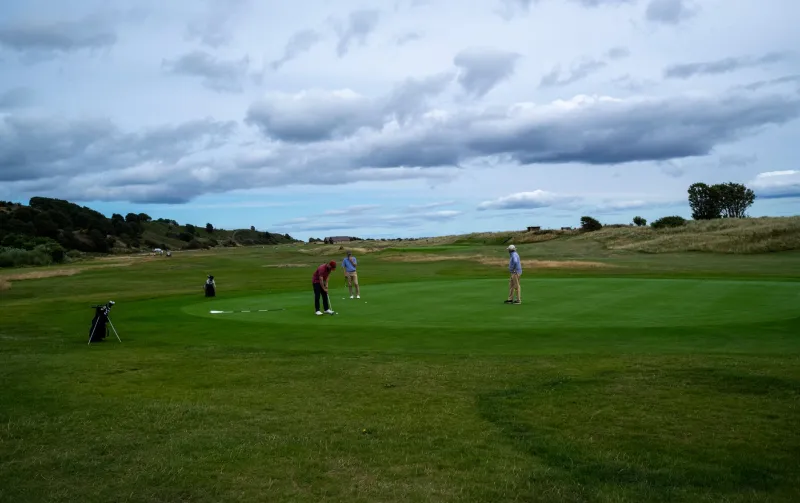
This is the part most visitors miss. An open competition is one of the cheapest ways to test whether a private course suits your game. Use it properly. Note the tee shot requirements, the bunker positions, the green complexes, the walking distance and how the course holds up in wind or rain. Ask yourself whether you would pay a guest fee to play it again. Would you join if you lived nearby? Would you bring a friend?
Play the course, not the scorecard. If you are chasing a nett prize, fine, but do not let the competition blind you to the design. A course that demands thoughtful positioning off the tee is a different test from one that simply punishes wildness with thick rough. A short private course with small greens can be more revealing than a long one with wide fairways.
Take a few notes afterwards. Not a full course review, just the things you would want to know before booking again: green speed, bunker sand, pace of play, the practice area, the welcome. That is the kind of information that makes future entries smarter.
The back door is not a loophole
Open competitions are not a trick or a workaround. They are part of the normal life of many UK clubs. They raise money, fill quiet days and connect the club to the wider golf community. You are welcome, but you are a guest-competitor. Act like it.
If you get it right, the reward is not just a round at a course you could not otherwise play. It is a wider golf education. You learn how different clubs run, how different courses ask different questions and how much of your game travels. That is worth more than another range session with a launch monitor telling you what you already wanted to hear.
The visitors' door is unlocked. You just need to walk through it with a handicap certificate, a sensible pair of shoes and no clubhouse attitude.